Dec 31, 2025
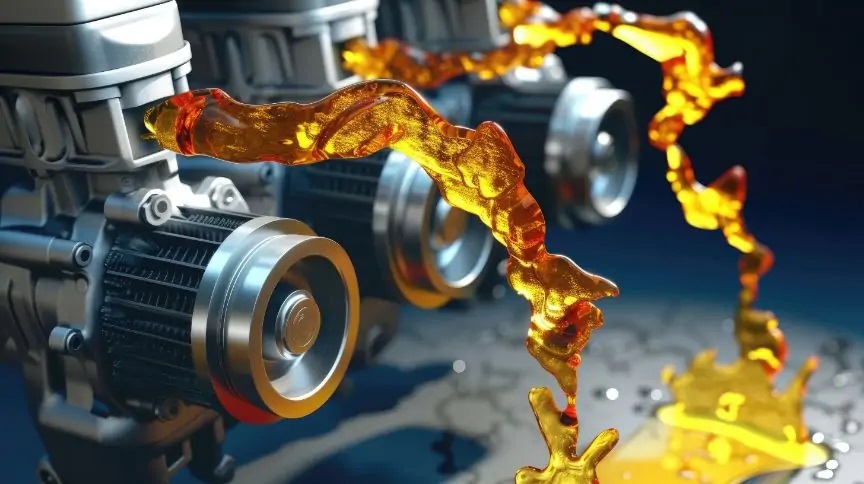
In industrial operations, machinery is expected to perform reliably under continuous load and demanding conditions. One of the most critical factors that ensures this reliability is industrial lubrication. Proper lubrication reduces mechanical stress, improves efficiency, and safeguards equipment against premature failure.
What Does Industrial Lubrication Mean?
Industrial lubrication is the process of applying lubricants—such as oils, greases, and specialized fluids—to machine components. These lubricants form a thin protective film that reduces friction, absorbs heat, and prevents direct contact between moving metal surfaces.
Effective lubrication is essential for maintaining optimal machine performance and operational stability.
Importance of Industrial Lubrication
A well-managed lubrication system delivers several important benefits:
- Reduces friction and surface wear
- Prevents overheating and energy loss
- Protects components from corrosion and rust
- Enhances equipment efficiency and reliability
- Extends service life of machinery
- Minimizes downtime and maintenance expenses
Neglecting lubrication can lead to unexpected breakdowns and costly repairs.
Major Types of Industrial Lubricants
Lubricating Oils
Used in engines, gear systems, compressors, and turbines to provide cooling, cleaning, and smooth motion.
Greases
Ideal for bearings, couplings, and slow-moving parts where oil lubrication is not practical.
Hydraulic Fluids
Essential for hydraulic systems to transmit power while protecting internal components.
Specialized Lubricants
Developed for extreme temperatures, high-pressure environments, or sensitive industries such as food processing.
Industrial Applications
Industrial lubrication is widely used in:
- Heavy manufacturing units
- Automotive and transportation systems
- Power plants and energy sectors
- Mining and construction machinery
- Agricultural and processing equipment
Each application requires a lubricant designed for specific operating conditions.
Best Practices for Lubrication Management
To ensure consistent machine performance:
- Choose lubricants according to equipment specifications
- Maintain proper lubrication intervals
- Avoid over-lubrication and contamination
- Regularly inspect lubricant condition
- Implement preventive maintenance strategies
Proper lubrication management results in smoother operations and longer equipment life.
Conclusion
Industrial lubrication is more than routine maintenance—it is a strategic approach to improving machine performance and operational efficiency. By using the right lubricants and following best practices, industries can achieve reliable performance and sustainable productivity.
Efficient industries are built on well-lubricated machines.