

Dec 31, 2025
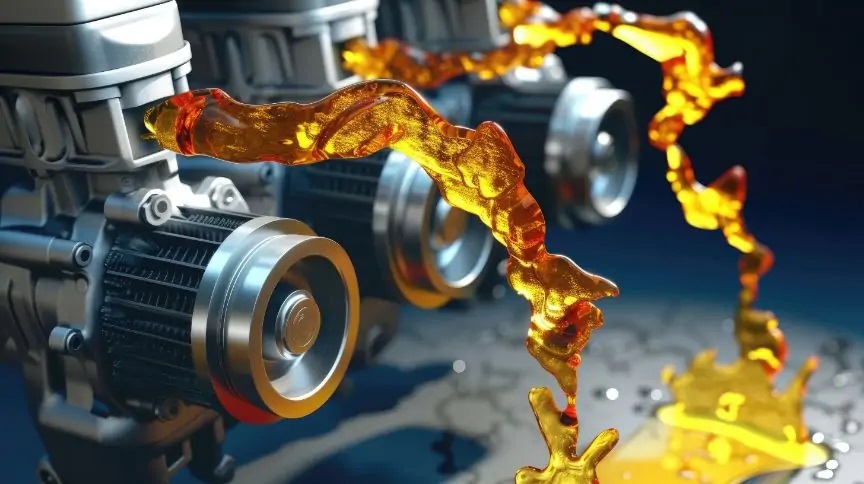
Industrial machinery operates under extreme conditions—high loads, continuous motion, heat, and pressure. To keep these systems running smoothly and efficiently, industrial lubrication plays a critical role. It is a key factor in reducing wear, improving performance, and maintaining long-term equipment reliability.
Understanding Industrial Lubrication
Industrial lubrication involves applying suitable lubricants such as oils, greases, and fluids to machine components. These lubricants create a protective layer between moving parts, preventing direct metal-to-metal contact and reducing friction.
A well-designed lubrication system ensures machines operate smoothly even under demanding industrial environments.
Key Benefits of Industrial Lubrication
Effective lubrication delivers multiple operational advantages:
- Minimizes mechanical wear and surface damage
- Controls friction for smoother machine operation
- Reduces heat generation and thermal stress
- Prevents corrosion and oxidation
- Enhances machine efficiency and productivity
- Lowers maintenance and replacement costs
Proper lubrication directly contributes to safer and more reliable industrial operations.
Common Types of Industrial Lubricants
Industrial Lubricating Oils
Used in engines, gears, compressors, and turbines, these oils provide cooling, cleaning, and protection.
Industrial Greases
Greases are suitable for components exposed to heavy loads or where frequent lubrication is difficult, such as bearings and joints.
Hydraulic Oils
Specially formulated for hydraulic systems, ensuring smooth power transmission and component protection.
Specialty Lubricants
Designed for extreme temperatures, high pressures, food-processing units, or environmentally sensitive applications.
Where Industrial Lubrication Is Used
Industrial lubrication is essential across various industries, including:
- Manufacturing and production plants
- Automotive and transport industries
- Energy and power generation
- Mining and construction equipment
- Agricultural machinery
Each application requires a lubricant matched to its operating conditions.
Lubrication Best Practices
To achieve optimal results, industries should adopt the following practices:
- Select lubricants based on machine specifications
- Follow manufacturer-recommended lubrication intervals
- Monitor lubricant quality and contamination levels
- Store lubricants properly to maintain performance
- Implement preventive maintenance programs
These practices help avoid equipment failure and unplanned downtime.
Final Thoughts
Industrial lubrication is a fundamental aspect of machine health and operational efficiency. When applied correctly, it extends equipment life, improves performance, and ensures uninterrupted industrial productivity.
Reliable machines begin with the right lubrication.