
Dec 31, 2025

In today’s fast-paced industrial environment, machinery performance and reliability are critical to productivity. One often overlooked but essential factor behind smooth operations is industrial lubrication. The right lubrication strategy not only extends equipment life but also reduces downtime, energy consumption, and maintenance costs.
What Is Industrial Lubrication?
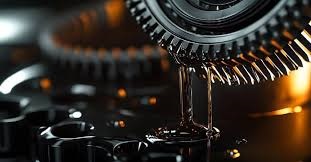
Industrial lubrication refers to the application of lubricants—such as oils, greases, and specialty fluids—to industrial machinery and equipment. Its primary purpose is to minimize friction between moving parts, reduce wear, dissipate heat, and protect components from corrosion and contamination.
Why Industrial Lubrication Is Important
Proper lubrication plays a vital role in industrial operations:
- Reduces friction and wear between mechanical components
- Prevents overheating by dissipating excess heat
- Improves energy efficiency and lowers power consumption
- Protects against rust and corrosion
- Extends machinery lifespan
- Minimizes unplanned downtime and repair costs
Without effective lubrication, even the most advanced machinery can suffer premature failure.
Types of Industrial Lubricants
Different machines and operating conditions require different lubricants. Common types include:
1. Industrial Oils
Used in gearboxes, compressors, turbines, and hydraulic systems. These oils ensure smooth motion and heat transfer.
2. Industrial Greases
Ideal for bearings and components where oil retention is difficult. Greases provide long-lasting lubrication and sealing protection.
3. Hydraulic Fluids
Designed specifically for hydraulic systems to transmit power efficiently while protecting system components.
4. Specialty Lubricants
High-temperature, food-grade, biodegradable, or extreme-pressure lubricants used in specialized environments.
Applications of Industrial Lubrication
Industrial lubrication is essential across many sectors, including:
- Manufacturing and heavy engineering
- Automotive and transportation
- Power generation
- Mining and construction
- Agriculture and processing plants
Each industry relies on lubrication to ensure consistent performance under demanding conditions.
Best Practices for Effective Lubrication
To maximize the benefits of industrial lubrication, follow these best practices:
- Use the right lubricant for each application
- Maintain a regular lubrication schedule
- Avoid over-lubrication and under-lubrication
- Monitor lubricant condition and contamination
- Train maintenance staff on proper handling and storage
A proactive lubrication program can significantly improve operational reliability.
Conclusion
Industrial lubrication is not just a maintenance task—it is a strategic investment in efficiency, safety, and equipment longevity. By choosing the right lubricants and following best practices, industries can achieve smoother operations, lower costs, and improved productivity.
Well-lubricated machinery is the foundation of industrial success.